
 2 hours ago
6
2 hours ago
6
Bitcoin has lost nearly 30% of its value since January. Yet Coinbase CEO Brian Armstrong is making the case that it remains one of the most powerful tools ordinary people have to fight rising prices. That gap between the pitch and the reality is hard to ignore.
Armstrong laid out his argument in a post on X, and later repeated it at the World Liberty Forum, an event hosted by the family of US President Donald Trump.
The logic is straightforward: inflation quietly destroys the purchasing power of cash. Wealthier people protect themselves by moving money into stocks, real estate, and Bitcoin. People without access to those same options get hit hardest and have no way out.
Inflation is a regressive tax on the poorest people in society, since they only hold cash.
Once people have wealth, they can afford and get access to inflation-resistant asset classes (stocks, bitcoin, real estate, etc).
Expanding financial access and opportunities globally to…
— Brian Armstrong (@brian_armstrong) February 23, 2026
A Fair Point, Pushed Too Far?
It is a legitimate observation. Economists have made similar arguments for years — that inflation acts like a hidden tax on those with the least. Armstrong is not wrong about the problem. The prescription, though, is harder to defend.
Bitcoin does not move like a slow, grinding inflation rate. It can drop 20% in a single week. For someone with no financial cushion, that is not protection. That is exposure to a different kind of loss — one that can happen far faster than any inflation rate ever could. The volatility is not a minor detail. It is the central flaw in the argument.
The Law That Could Shift Things
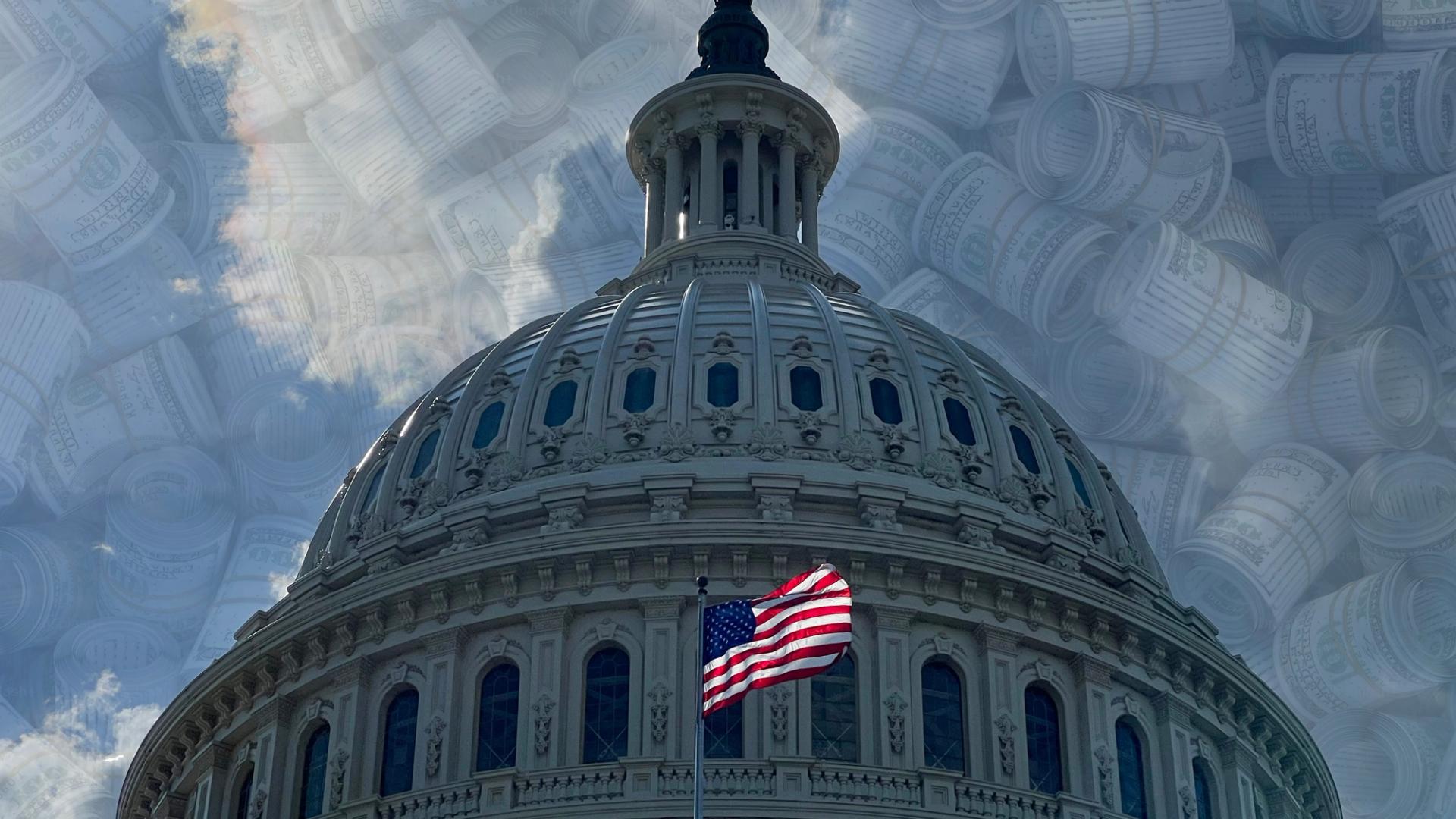
The more grounded part of Armstrong’s message involves legislation. The CLARITY Act, currently being debated in Congress, aims to define how digital assets are regulated in the US — which agencies hold authority and under what conditions. US Senator Bernie Moreno said lawmakers are pushing to pass the bill by April.
Armstrong, speaking at the forum, called a balanced version of the bill a potential win for crypto firms, banks, and consumers alike. Talks have focused on stablecoins and whether they can offer competitive yields without running into existing banking rules.
Keeping Pace With ChinaArmstrong also raised the stakes internationally. China is advancing a government-backed digital currency that pays interest. His message to US regulators was direct: fall behind on stablecoin policy, and America loses ground in a competition it should be leading.
It is a real concern — even if his inflation argument leaves something to be desired.
Featured image from Pixabay, chart from TradingView










 English (US) ·